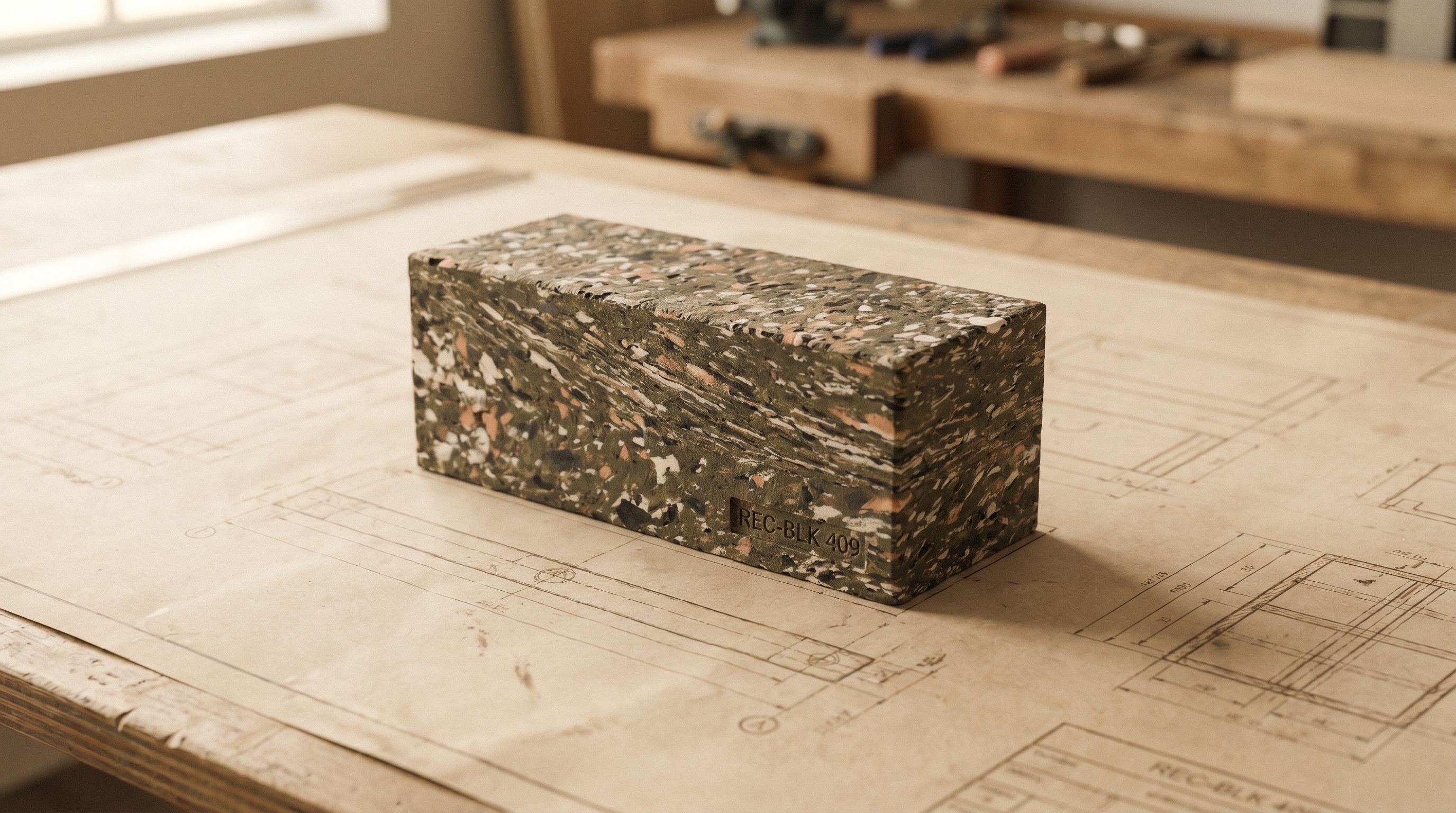
Plastic, redeployed as civic infrastructure.
Bloxcity — In development
Bloxcity is our second materials venture. Small-footprint shred-and-press lines that turn neighbourhood plastic waste into a family of standardised building blocks — aimed at the projects municipalities actually commission: benches, planters, paving, cladding.
- a. Local-scale machines
Container-mounted shred-and-press lines that fit in a workshop yard.
- b. Open-spec material
Recycled plastic block with a published mix and performance sheet — no virgin polymer.
- c. Built for African cities
Street furniture, paving, modular cladding — products with municipal demand right now.
Plastic waste isn’t the problem — throwing the material away is.
Africa generates an estimated 17 million tonnes of plastic waste a year. Less than 10% is recycled. The rest is landfilled, burned, or escapes into rivers and oceans.
The brief: a local-scale process that turns a household waste stream into a useful, durable building product — without big capex, big plants, or big shipping.
A workshop, not a refinery.
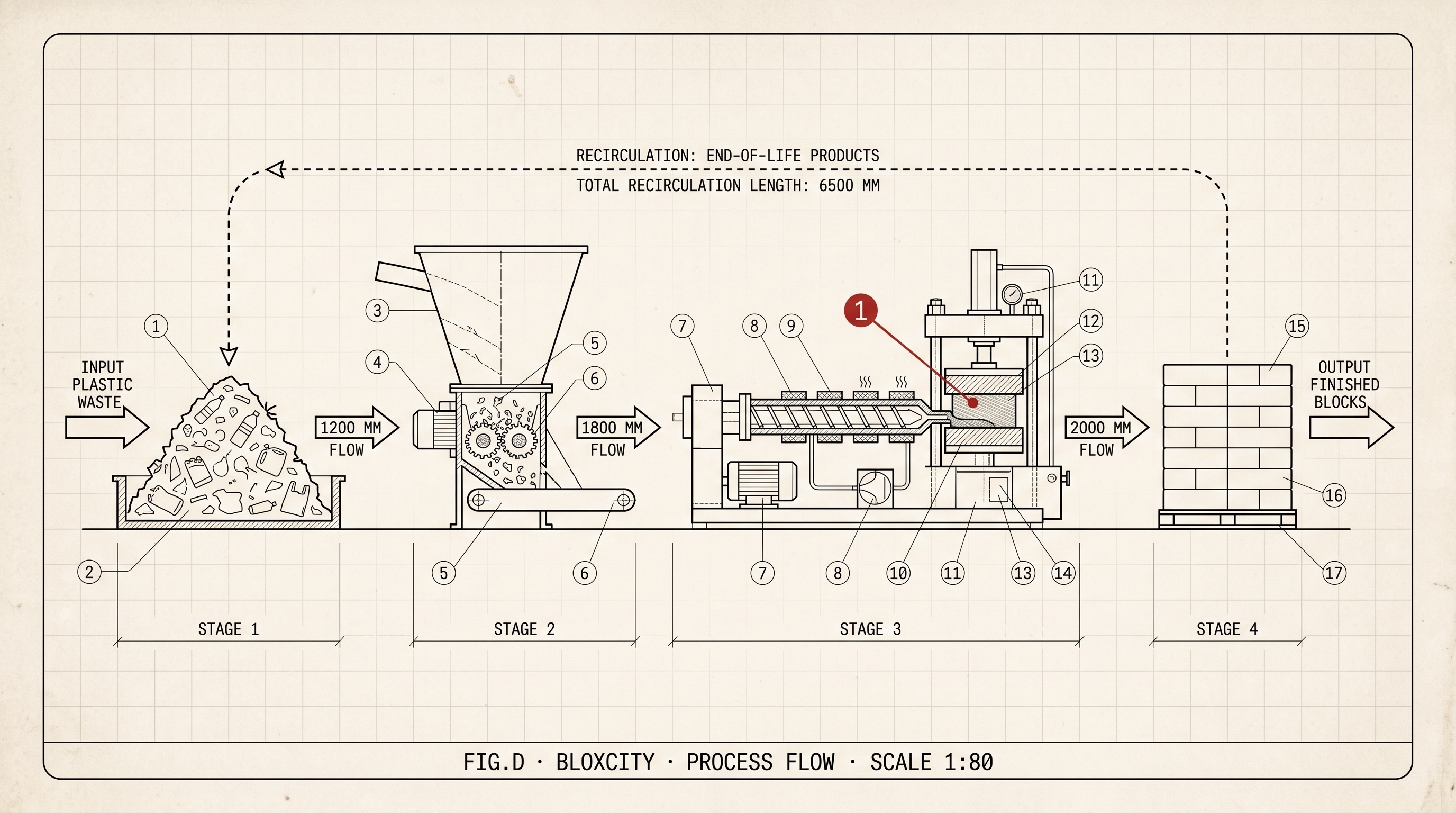
Each Bloxcity line fits inside a single shipping container. One operator can run shredder, extruder and press through a normal day’s shift. The whole line draws roughly the same power as a domestic geyser.
- 1. Collect. Post-consumer waste from neighbourhood drop-offs, schools and informal pickers, sorted by polymer type.
- 2. Shred. Material flaked to a uniform particle size. Each polymer is processed in its own batch — no co-mingling.
- 3. Melt and press. Heat-and-compression into moulds. Output is dimensionally stable, dense, and free of binders or virgin plastic.
- 4. Build. Blocks become benches, planters, paving, modular cladding and structural infill for civic projects.
Four formats. One material.
Every Bloxcity output starts as the same recycled feedstock and ends in one of four standard formats — each tuned to a real civic-procurement category.
End-of-life products come back through the same line. Reground, repressed, redeployed.
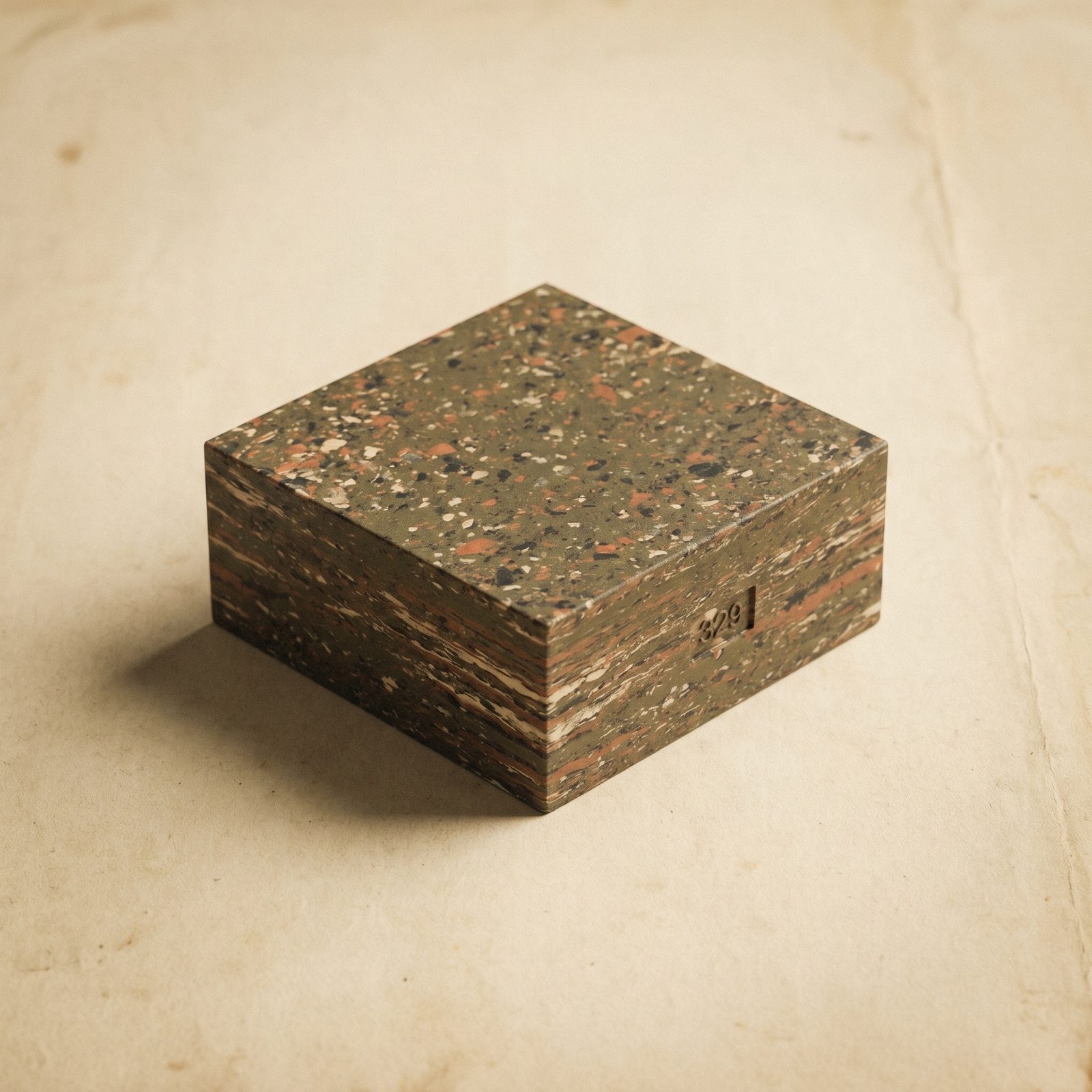
Standard 200 × 200 × 100 mm block. Stack-bondable, drillable, finishable. The unit of the system.
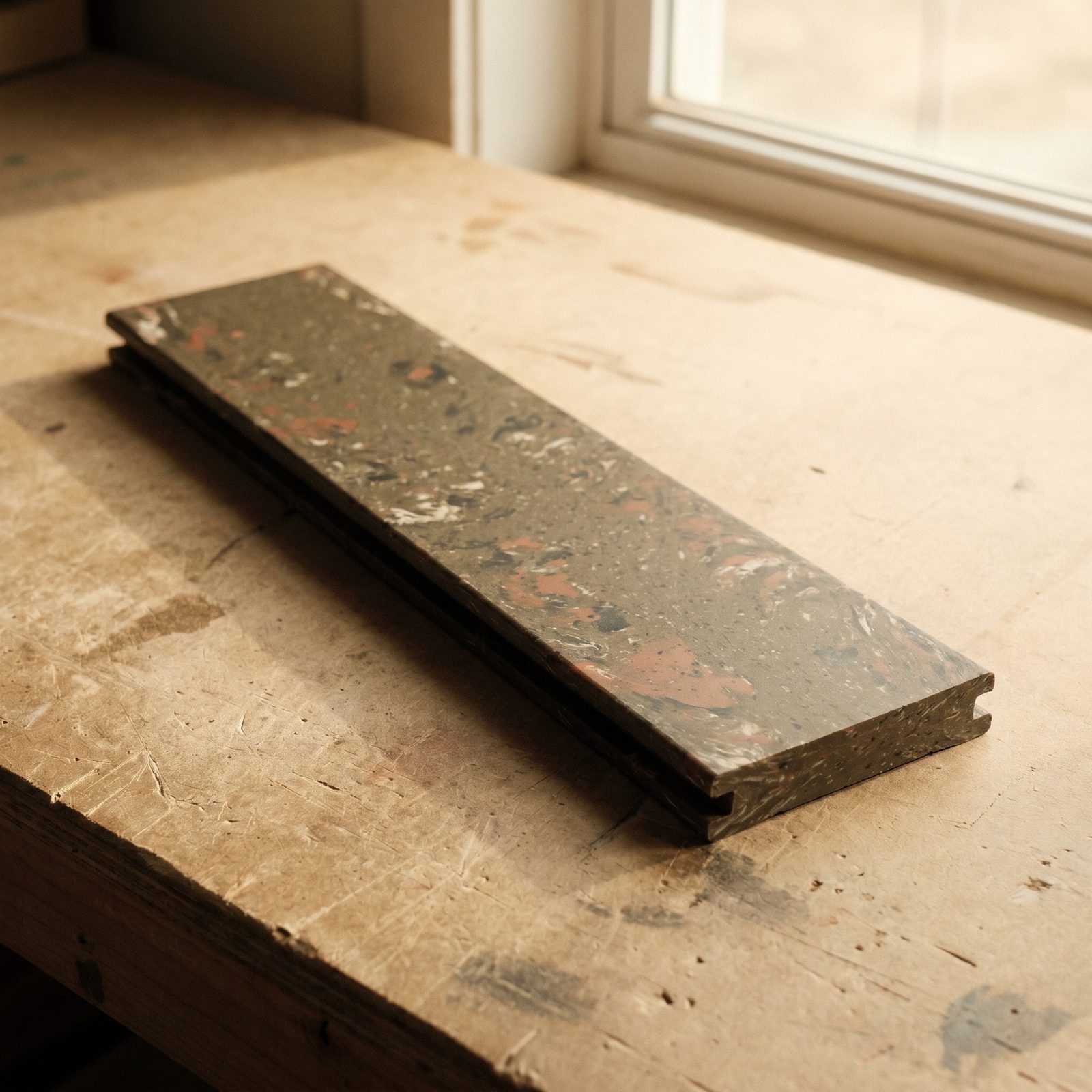
Long-format extrusion for benches, decking and street furniture. Weather-stable, non-rotting, splinter-free.
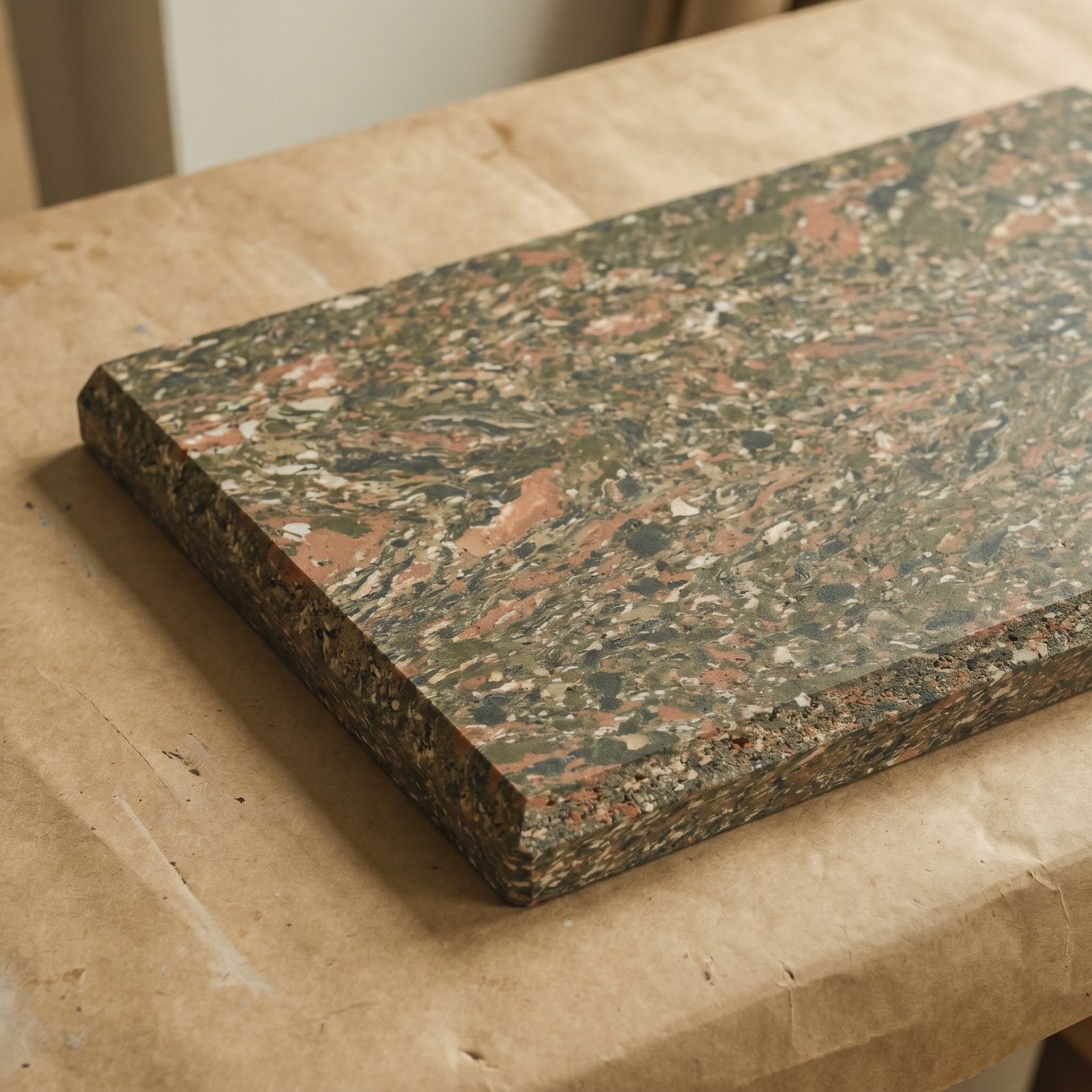
Pressed panel for cladding, signage and table tops. Sands and routs like dense hardwood.
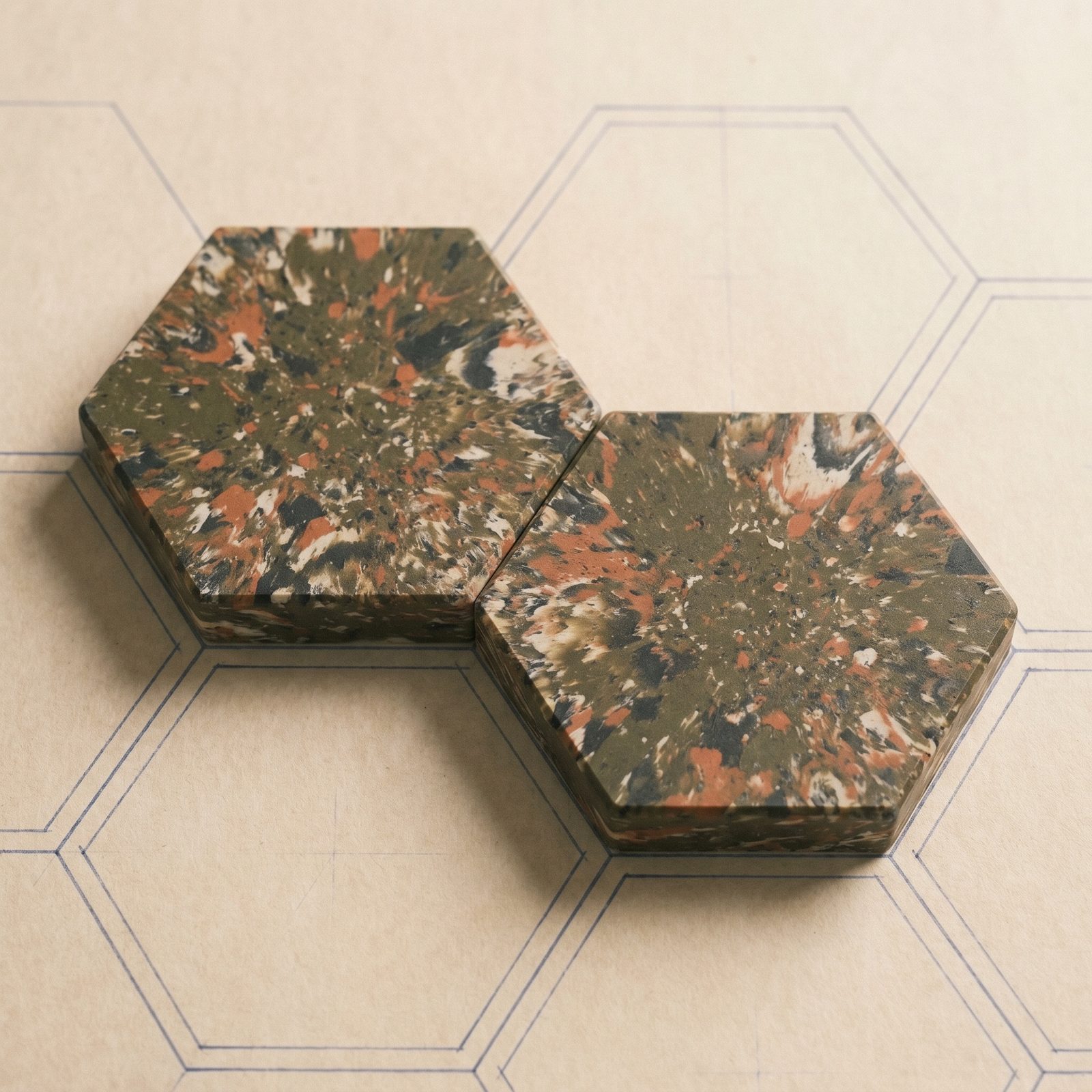
Interlocking paver in three thicknesses. Slip-tested and graded for pedestrian and light-vehicle loads.
Pilot line in design — partners welcome
We’re scoping the first Bloxcity pilot for 2027 and opening conversations with anyone who has a project that needs the material — developers, contractors, manufacturers, waste co-operatives, NGOs, design studios, or city programmes. Bring the brief; we’ll bring the machine.